
The Jacket - Chapter 2
La muerte lenta es una agonía.

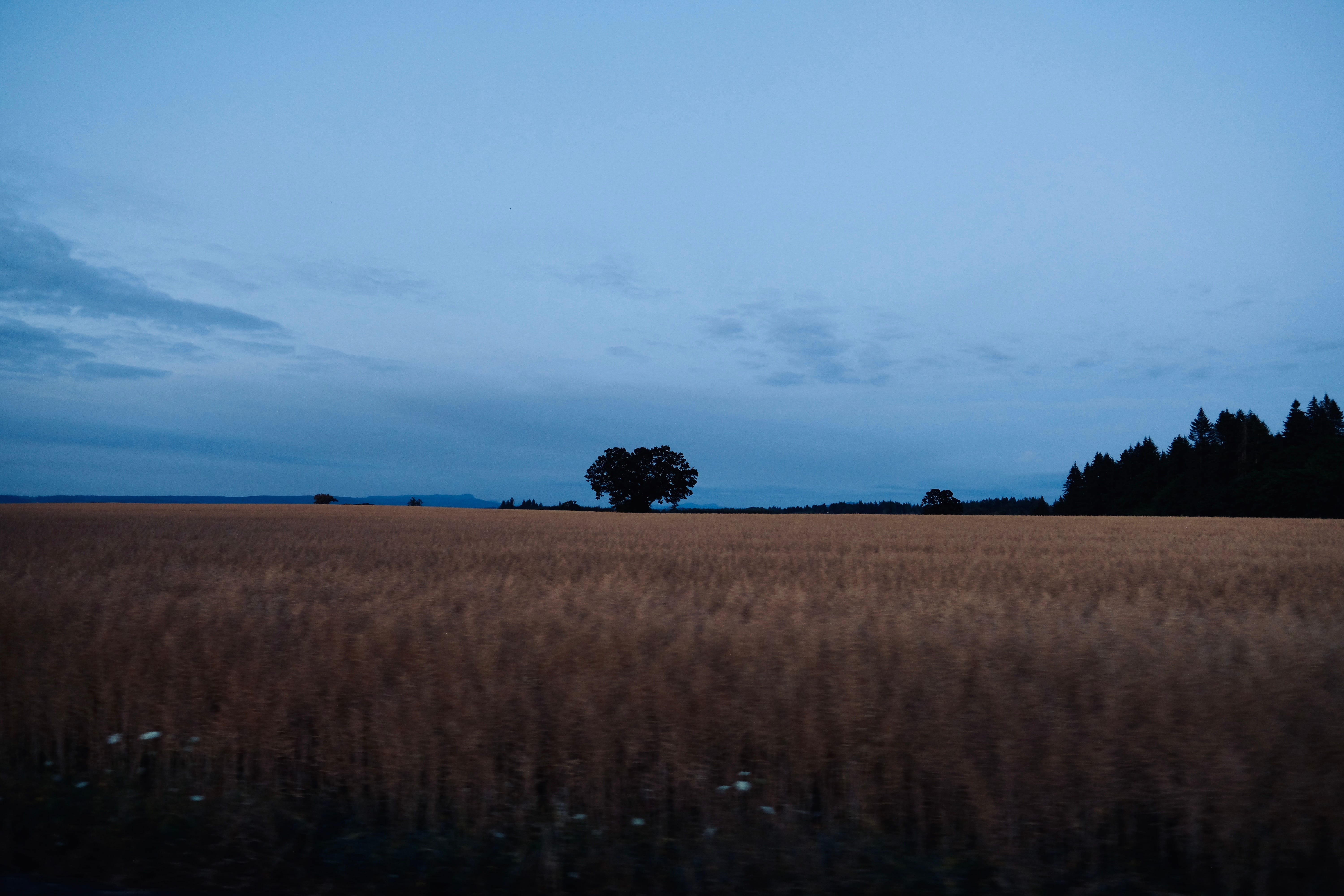
Four days later Susana found her tattered jacket on the street in front of her modest home. Slow death is agony, she thought. Hope that woman survived her lesson.
Every morning before work, Susana walked her rescues through town, mice chasers in tow, bapping leaves dropping from trees, chasing bugs along the way. Thankfully, with her small stature, Snowcone and Chuck were slower now. She couldn’t resist keeping Beauty, after she managed to get all her puppies adopted. Although a bit younger and stronger, Beauty knew how to be “pack proud,” guiding Susana and little Dolly in a baby pouch, a 22 in her back pocket, down main street.
Autumn was here. Cooler, damp, sweatshirt weather in the Central Valley. And although short, Winter could kill a farmer’s livelihood with it’s frosty temps and potential flooding. One hard rainfall can cause water-logging, suffocation, soil erosion, even disease. Deadly combinations, especially at night as temps drop. Young grapes, tomatoes, peppers, and other tender crops, as well as the newly planted blossoms of stone fruit and almond orchards are prayed over like children slipping into a rough sea.
Slow death, Susana remembered it well.
And there it was, two blocks from home. The most beautiful specimen of skunk she had ever seen. No white stripes to be found, lying in the gutter, peaceful, it’s solid black coat shining in a peek of sunshine through the clouds. Probably internal bleeding, she thought. It lie frozen, twisted, mouth wide open.
Begging mercy.
Why is their mouth always open.? I’ve dishonored my last name. Was I gentle? merciful? so many thoughts Susana Clemente had, but it was time to get to work. Fridays were busy. As usual, she’d find a box, shovel the black beauty in and bury it out back later. Her tiny garden made of a small dirt patch and clay pots, with perennial flower cuttings she had found, grew well.
Throwing her work outfit on, she thought, it was different with the dogs she found. They weren’t wild or strays. They were dumps. Unloved. But then dumps become strays. Strays become wild. Like people, her mind raced.
Susana had found many charred dog carcasses out where the tire graveyard was. Right where that pathetic woman stood holding that poor crushed mama dog. Alive and burning, was all Susana could imagine. Hard to sleep on, but it’s what kept her going. Kept her fierce. All that was left, a bony shape, bits of fur blowing in the breeze, stuck to wood chips, trash and a wide open mouth screaming silently for help.
They always look the same, she thought.
Torn tents, filthy streets, dirty hands, bare feet, sun parched people scattered throughout Clovis. The early morning drive there was peaceful as many fields lay dormant. Susana hated the walk through town to papa’s facility every weekend. It was getting more and more important she didn’t miss, despite knowing she was responsible for her pack at home. And her mission.
Every mouth open in a drug hazed stoop. Some dogs wandering in and out of camps. A small child chasing one. Humans, dogs in such bad shape it was hard not to look.
This was Susana’s life in every facet. Don’t look away.
Remembering childhood, her father, going on and on about the rapid growth of maquiladoras after they immigrated from Mérida through Tijuana in 1959. “Oh miha, you have no idea what can happen when we are not ready. We have to be ready on the farm to handle the influx. Ahhhh. It’s impossible to know, we waste sometimes, yes, but we have to be ready.”
Looking back she remembers him telling stories about Tijuana. How as a young boy of 12, 13, Francisco loved to make the journey by bus all the way there for vacaciones familiares. They would stop in Oaxaca for a day and explore Mexico City for two days. “La ciudad más bonita del mundo,” her father spoke with admiration for the big city. He loved how they took pillows and warm jackets to sleep on the buses, and he adored his hard working parents, who saved and saved, prayed and prayed. Their faces lighting up with excitement, as they stepped off the bus. She remembered he said, “Ellos maravillaron en mi espíritu miha. Nunca había visto a mis padres tan felices. Tan relajados.” “They cast wonder into my spirit. I never saw my mama and papa so happy. So relaxed.” A vibrant city bustling in tourism and entertainment. Eclectic neon signs shined brightly into the wee hours.
When Francisco and Isabel Clemente returned home, they would say to friends, “la maravilla de todo esto.”
The wonder of it all. A far cry from the citrus farm, which had it’s own distinct wonder.
But there was no relaxing, or wonder, walking into downtown Clovis. Just sadness. Fences and sidewalks were hung like the Tijuana of recent decades. Floating down the San Joaquin River, local creeks, canals, laying heavy in leftover rain puddles, nothing but garbage. Diapers, fast-food bags, needles. Susana shook her head.
Ancient street lamps flickered over a quiet plea for warmth from a homeless encampment fire. Asphalt encrusted fingers rubbing together, bodies rocking, as she hurried by.
Everything about this America felt cheap and broken. Four-legged slaves, often chained to chain-link fences, or caged for breeding, in a once vibrant, thriving farming community. “Gateway to the Sierra,” now a gateway to hell. Humans selling puppies, themselves, others — cheap, for a 30 minute high. Women, young teens, dogs. Susana thought of the skunk back at home. Eyes frozen solid, black and lifeless.
Begging mercy.
There was no consolation knowing it was worse in the bigger cities. Go gentle, have mercy, under her breath. “Hey here’s some jackets, it’s getting colder out here,” as she handed out her small collection, still sparing one good heavy Carhartt for herself. The only person who looked straight up into Susana’s eyes was an older lady, Susana noting a pair of fancy high heels on the ground next to her. I better beat the storm, moving along, her mind full, eyes, senses dulled in the despair. Papa would show tears for this place, she chilled a “burrr” under her breath. Maybe it’s okay he doesn’t know anymore, she thought.
“Hi Papa, how are you? it’s Susana. I love you. What have you been up to?”
Isabel?
Susana leaned over her papa in silence. Tears coming, she reached for a tissue from the box on by his bed.
Francisco loved Isabel more than anything in the world, but in the two years he had been in memory care, he hadn’t spoken of her. And he hadn’t recognized Susana. Not once. Except for today, she was her mother. How she loved and admired her mama. A miracle despite. Tiny glimpses of love buried deep in her papa’s soul.
“Mi amor... my God,” his frail hands shaking, gently pulling Susana’s face to his. “No llores mi amor,” searching her eyes.
Her brothers, Francisco Jr. and Juan Carlos, who everyone called Carlos, came to meet her this day. Maybe once a month they could manage an early weekend visit, since they took turns coming every evening after work. Their wives sneaking in some special food Francisco Sr. loved at least once a week. “You know, I forgot to tell you he saw her last week too” Carlos said. “He did this to Ana, when she brought Polvorones.” “Yeah, he asked me, the next day, why your mom is not here?” piped in Francisco Jr. “I didn’t know what to say, so I told him she was busy on the farm? Ana told him he was so handsome,” said Carlos. “Seems he holds onto life thinking she is somewhere. Maybe it was the wedding cookies!”
“Yeah, Susana said softly, I can see that, thinking back on the streets, “love, hope, it’s really what living is made of.”
Susana hugged her brothers goodbye, so they could get on with their day, take the kids to soccer games, clean the bbq, mow the lawn, etc., do what parents do.
Sitting in Francisco’s recliner, watching him doze, she almost fell asleep too. After 20 minutes, he woke to see her. Susana, now on the edge of his bed, holding one of his hands in both of hers, said, Papa? She waited…. nothing. I’m not me.. or her. She kissed him goodbye on his forehead, as he stared into her eyes. Maybe next weekend, she looked back waving with her beautiful smile. All the family said she had Isabel’s smile.
As Susana made her way out of the facility, several blocks to the free parking lot, she saw an old woman with ripped clothes, black stained face, wobbling, unsteady on high heels that were way too fancy for her hunched over dirty stature. As Susana passed her, she noticed the woman dangling a jacket. It was the woman who stared up at her on the way in. There was something familiar. The woman’s mouth hung open.
Begging mercy.
When Susana got home, she asked a local who was watching her pick up the dead black skunk, “why are the dead found with their mouths hanging open? they look like they’re begging mercy? no?” Luis, was a wise old man who, although gruff, seemed to have an ethereal sense of the world. He said, hands in his pockets, with a hunch of the shoulders, “Bueno, ya no están mendigando, a, let me say, in English, they gave up ..la pelea? you know, how you say it… the fight. La boca abierta, you see the open mouth is…. how you say, el proceso de muerte lentathe, ummm see… slow death. They um, relajar… relax? … how you say …into it. They don’t remember …el dolor…the pain, you know? they don’t remember anymore. Solo la maravilla… only the wonder. The marvel.
“La maravilla de todo esto,” Susana said, as she smiled at Luis and carried the box home.
They’re no longer begging, that’s right, she thought, as she tossed the last bit of dirt in the hole.
And just then, with the pack looking on, Susana slowly stood up from the fresh grave, dusk in her town, over a bright valley below, the hills between. Fixated, she followed Beauty’s eyes, and watched in the distance, as a large dog wobbled unsteady, turning in circles, until it could no longer stand.
Do you remember the wonder of it all mi perra?
“La muerte lenta es una agonía,” she thought.
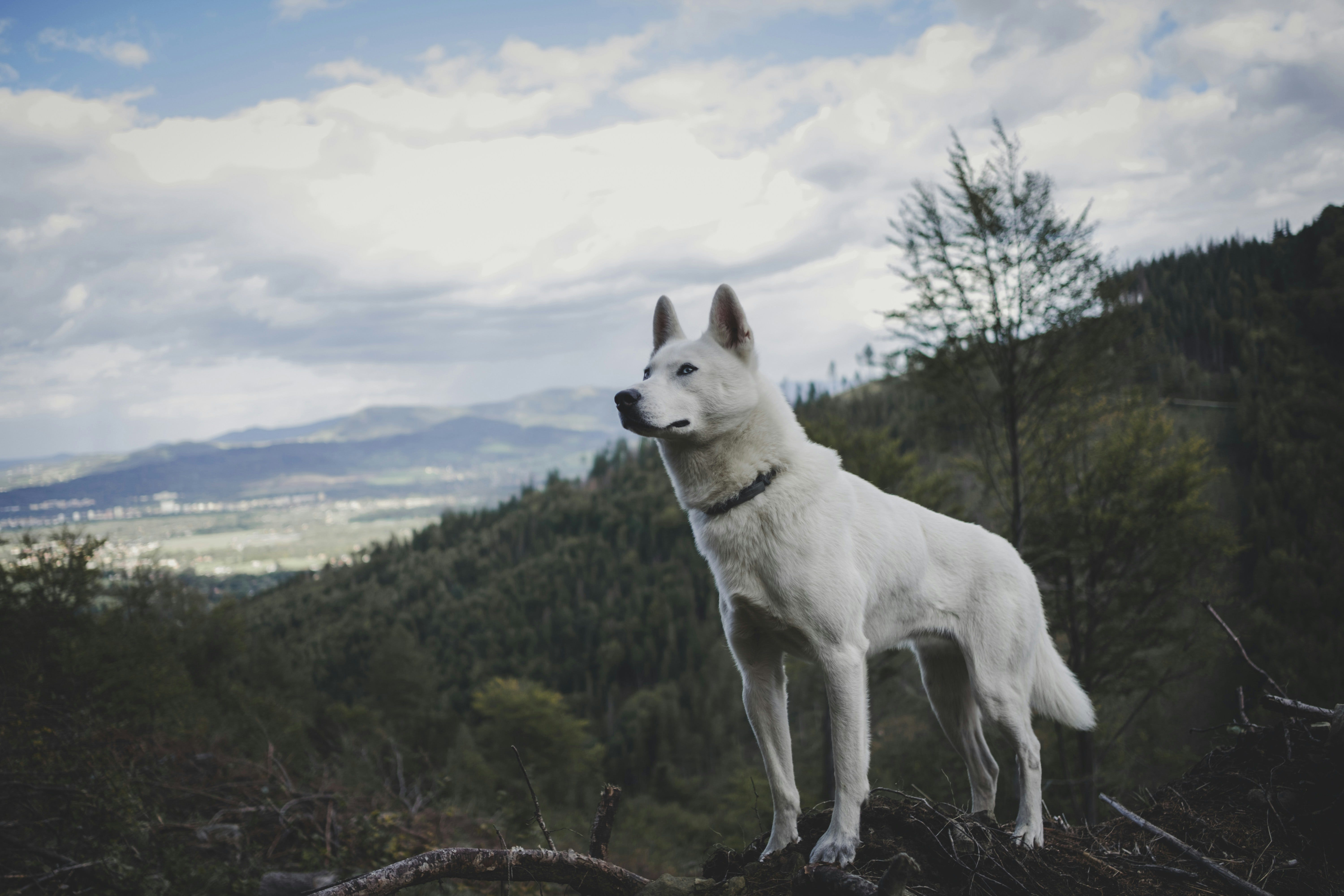
Here’s Part 1 in case you missed it in the image caption at the top of the story. Let me know in comments if you’re interested in more chapters or how I did? I’m British-American btw. Correct me if you need to :)
“Truly I tell you, whatever you did for one of the least of these brothers and sisters of mine, you did for Me.” — Matthew 25:40
Beautiful, heartbreaking, and somehow hopeful all at once. It really made me pause. Thanks for sharing, Deb.
I’m going to go back and read Part 1 Deborah! This is so beautifully written and authentic because I know, because I live here. I’m friends with Susannes and Franciscos. Finding dead skunks, other creatures including stray dogs turned into wild one. That’s real.
Yes this is my home. Heart wrenching moments but hope prevails through faith in God and truth. Thank you, thank you! ☺️💜✨🙏